
Microblading Is a Tattoo!
Everything Else Is Marketing.......

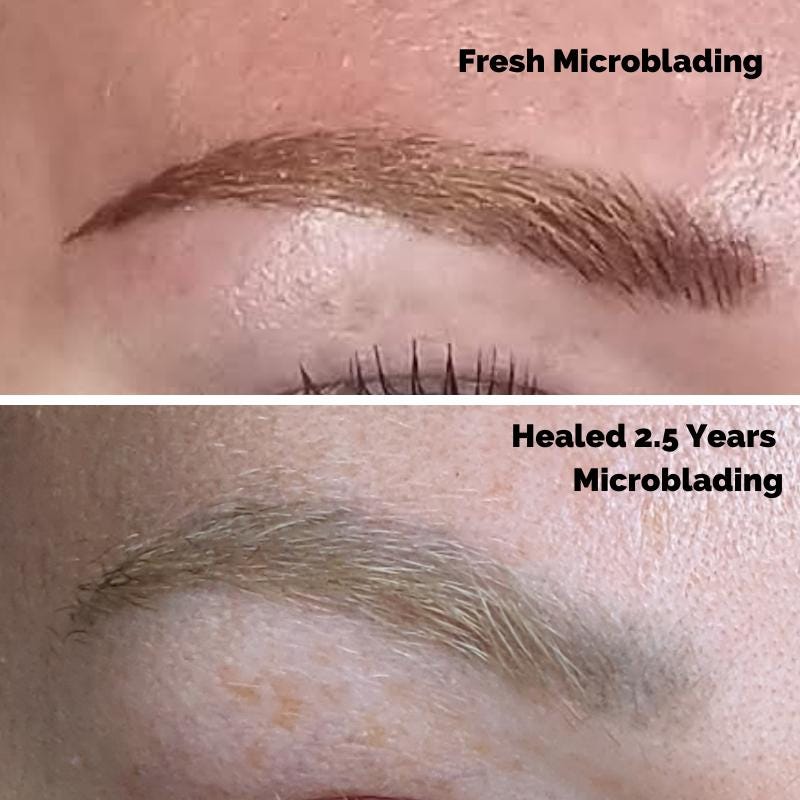
A young patient walks in three years after “semi-permanent” eyebrow microblading.
Her complaint: “Doctor, my brows have turned grey and blurry.”
This is not a complication. This is the natural history.
What microblading actually is
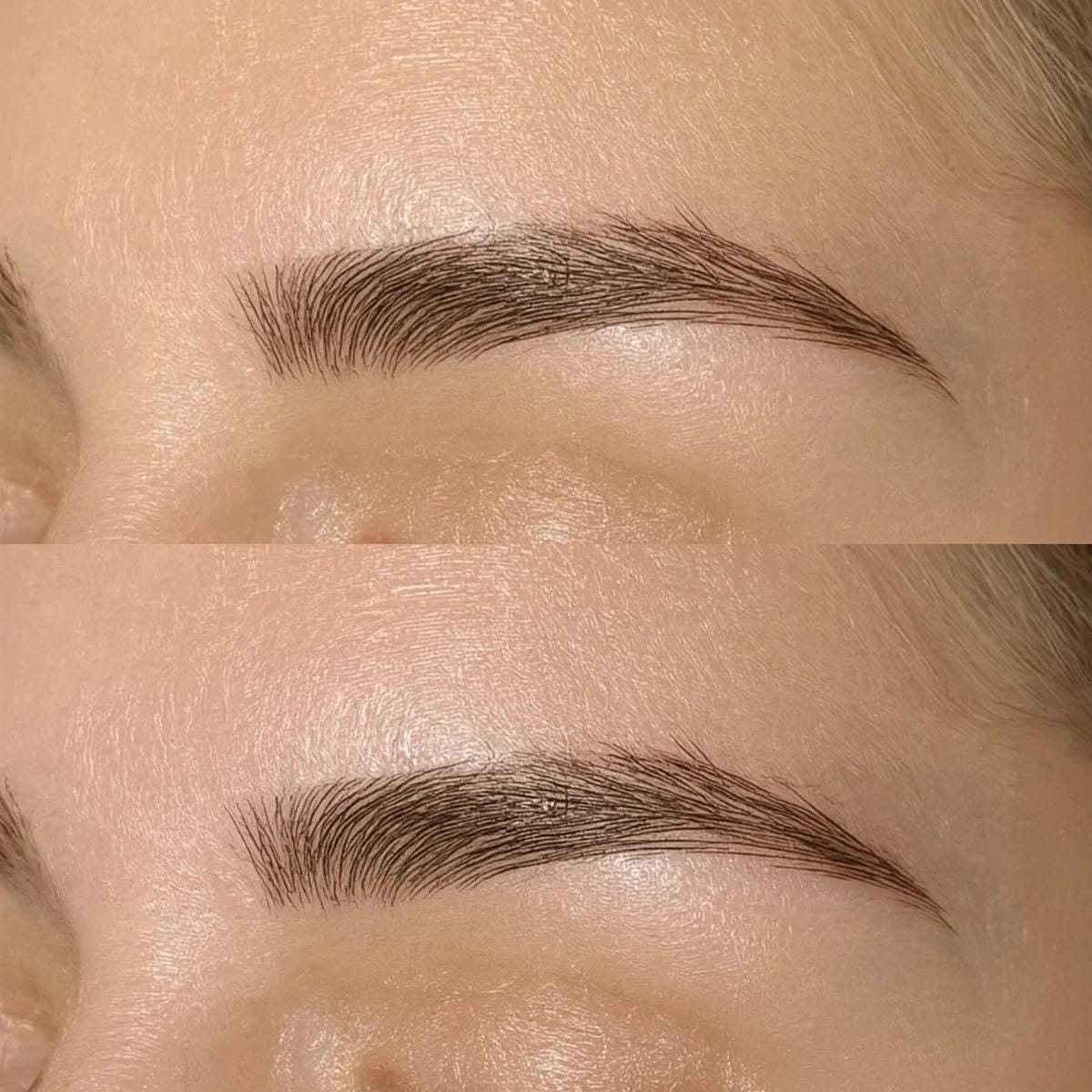
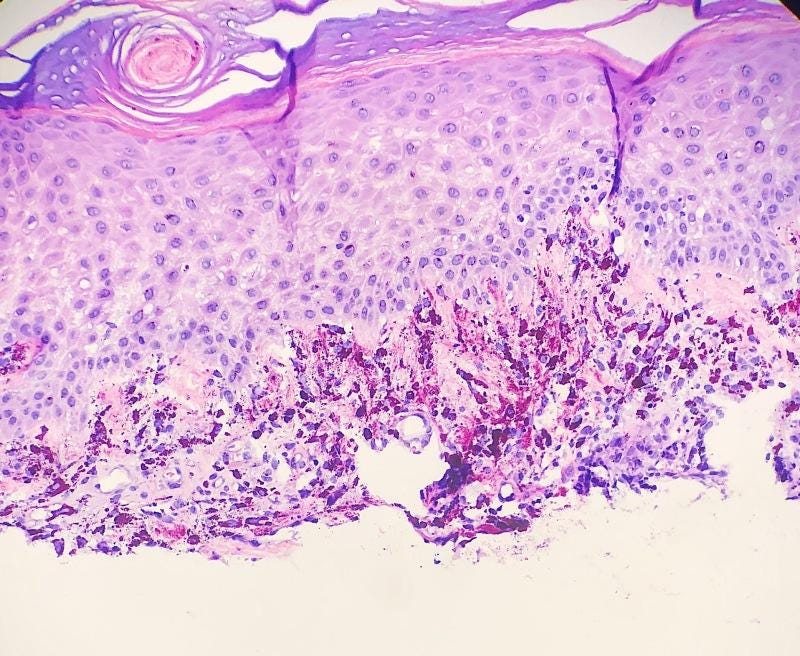
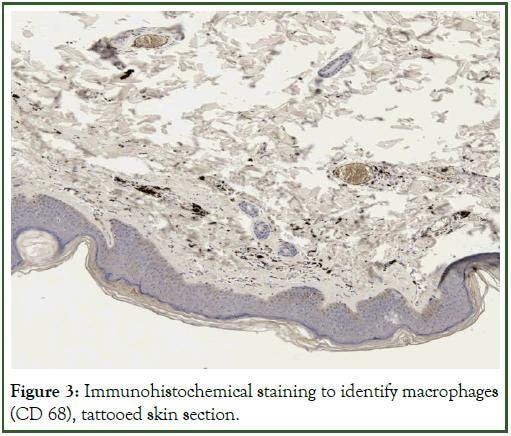
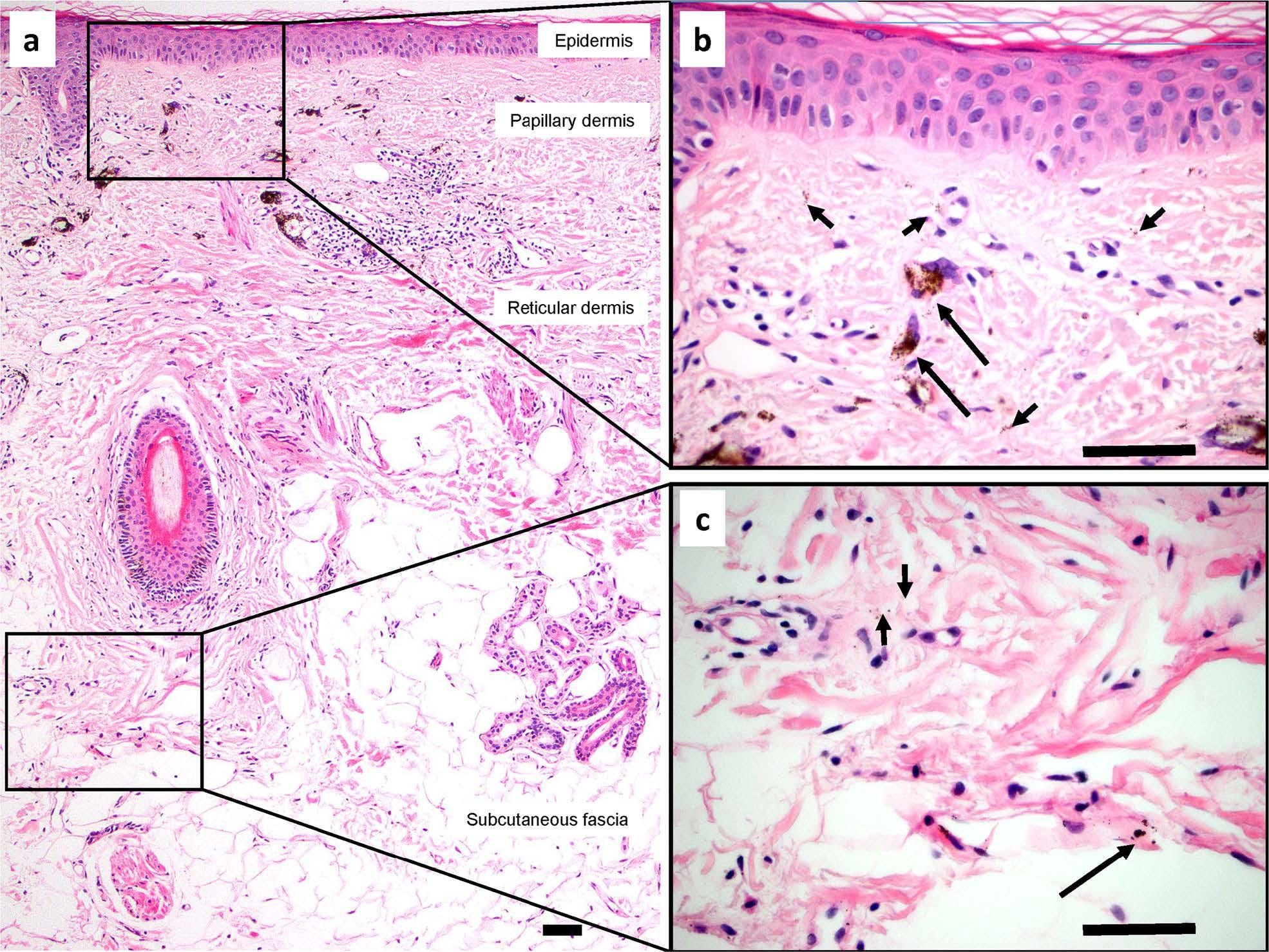

Microblading is cosmetic tattooing.
A row of microneedles deposits pigment into the papillary/superficial dermis, where it is taken up by macrophages and fibroblasts—exactly as in any tattoo.
There is no biological category called “semi-permanent.”
There is only how much pigment is placed, how deep, and how it degrades over time.
The central misconception: fading ≠ reversal
Patients are told that microblading “fades away.”
This is misleading.
What actually happens:
Pigment fragments and disperses, not disappears
Hair-like strokes blur into a diffuse background
Colour shifts depending on pigment chemistry and skin optics
The end point is not baseline.
It is a less controlled, less natural state.
Why colour changes (and why blue-grey brows are common)
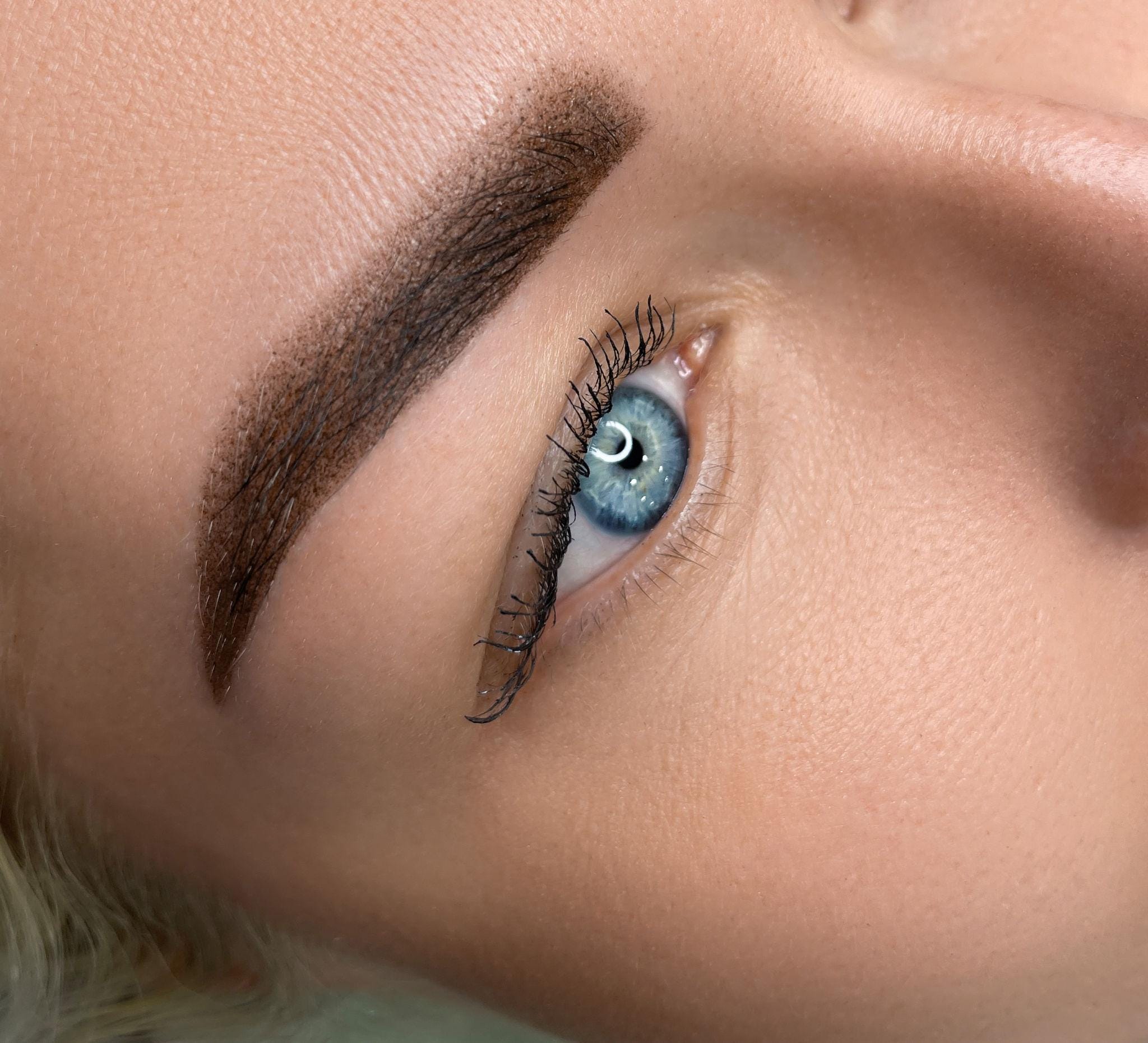
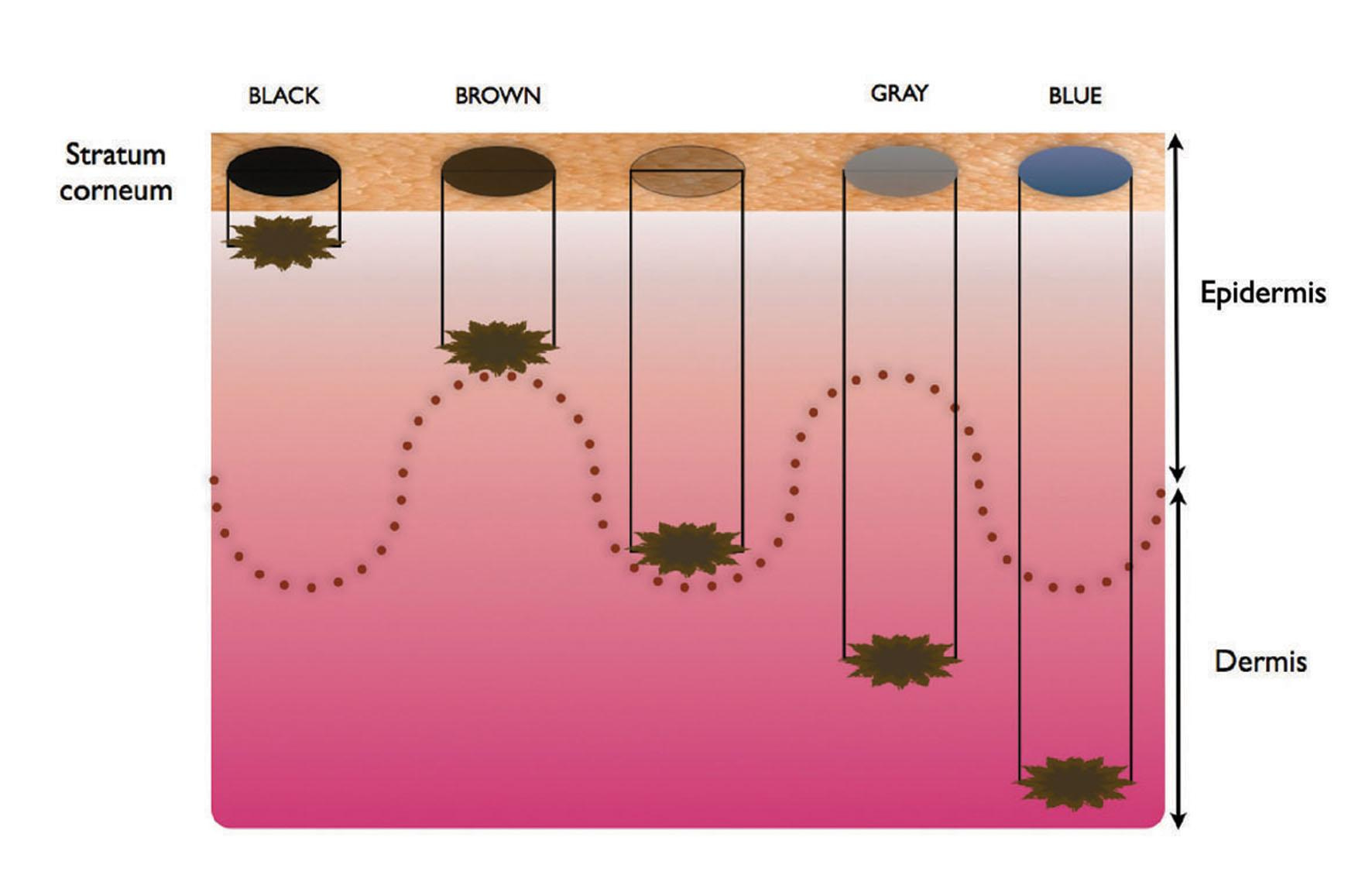
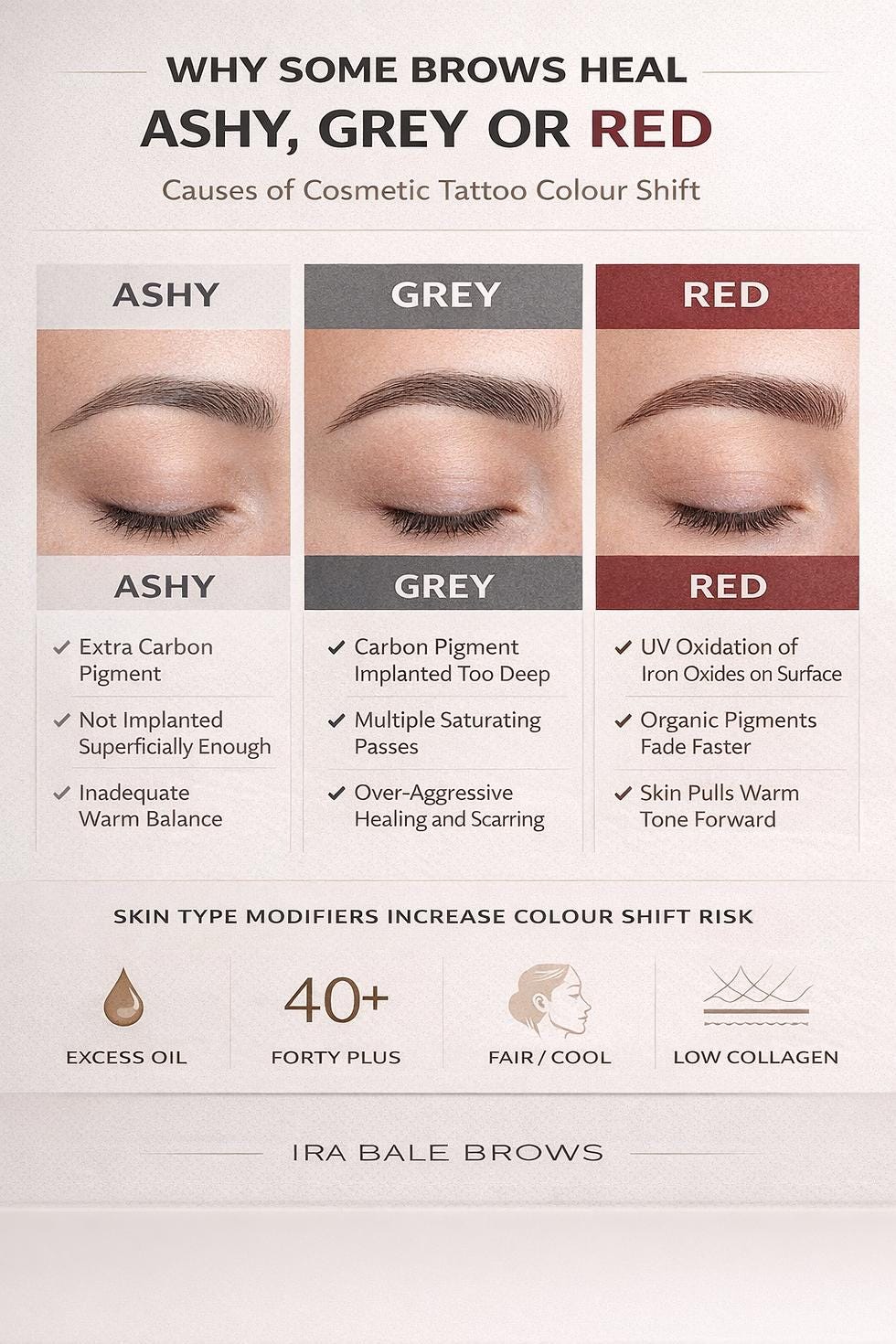
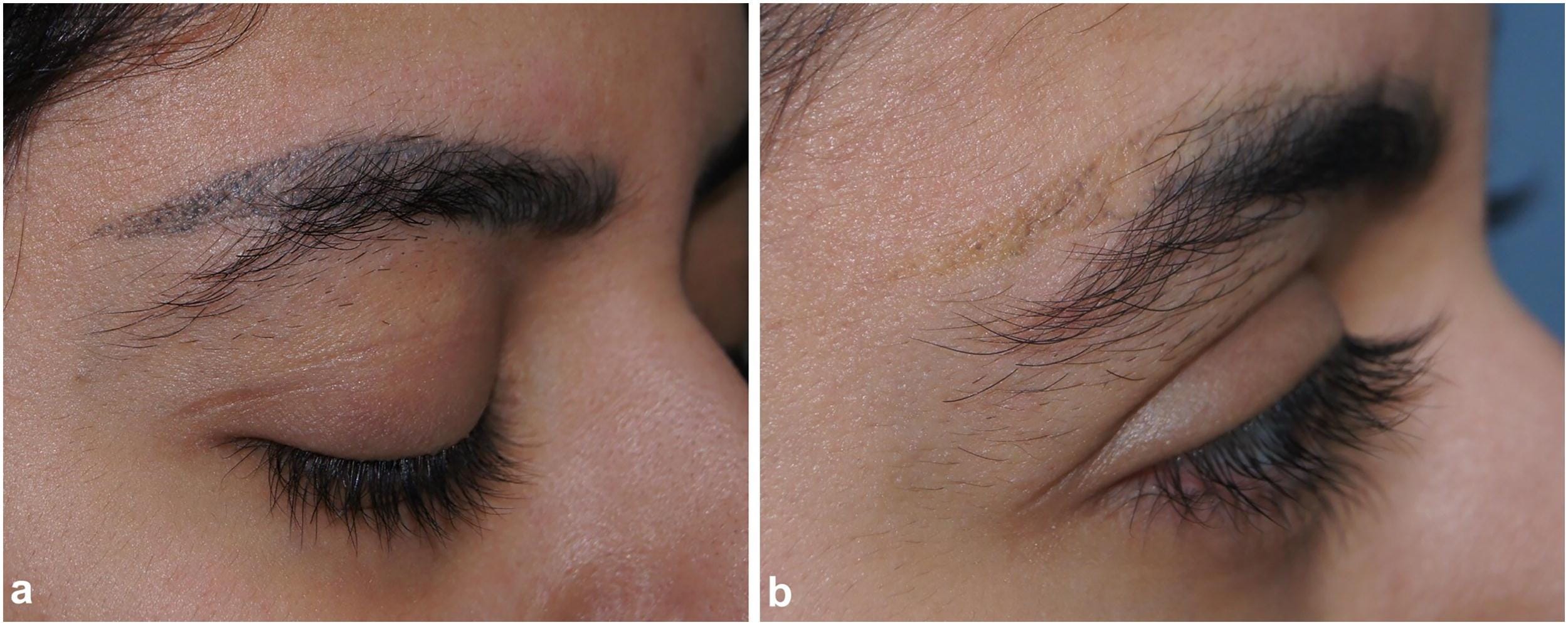
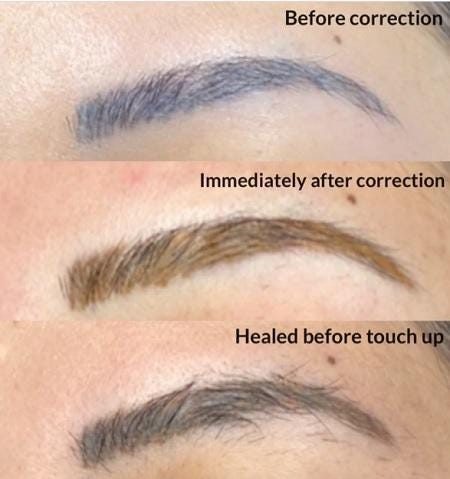
Colour instability is not anecdotal—it is expected.
Mechanisms include:
Tyndall effect from deeper pigment → blue/grey appearance
Carbon-based pigments → cool grey shift
Iron oxide pigments → red/orange tones over time
Layering from repeat sessions → muddy, desaturated colour
This is chemistry and optics, not “bad luck.”
The under-discussed problem: cumulative dermal injury
Every session creates controlled micro-trauma.
Over time:
Fibrosis develops in the papillary dermis
Pigment retention becomes uneven and unpredictable
Strokes lose definition permanently
This is why repeat sessions often produce worse—not better—results.
This change is structural and irreversible.
Complications patients are rarely told about
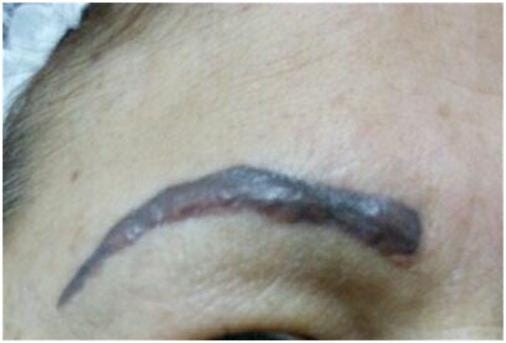
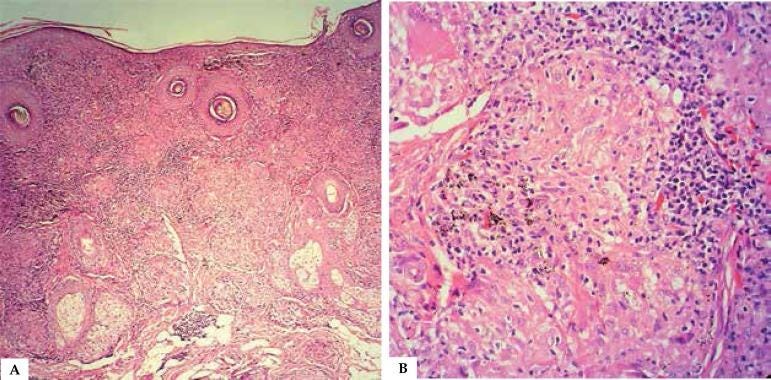
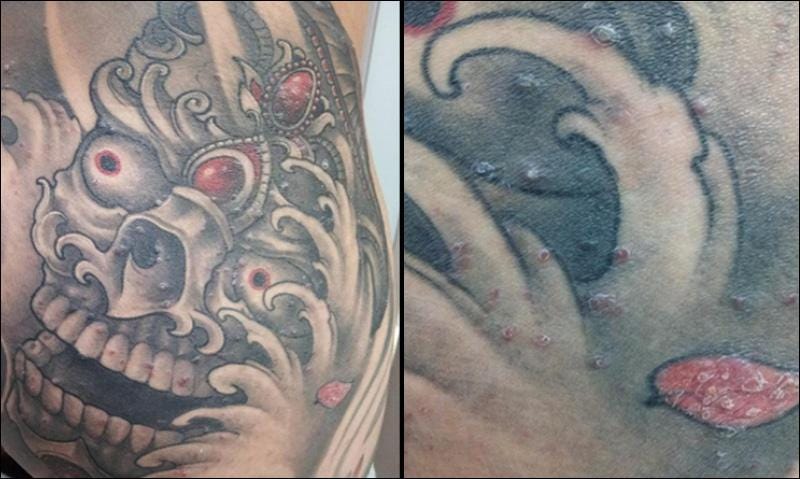
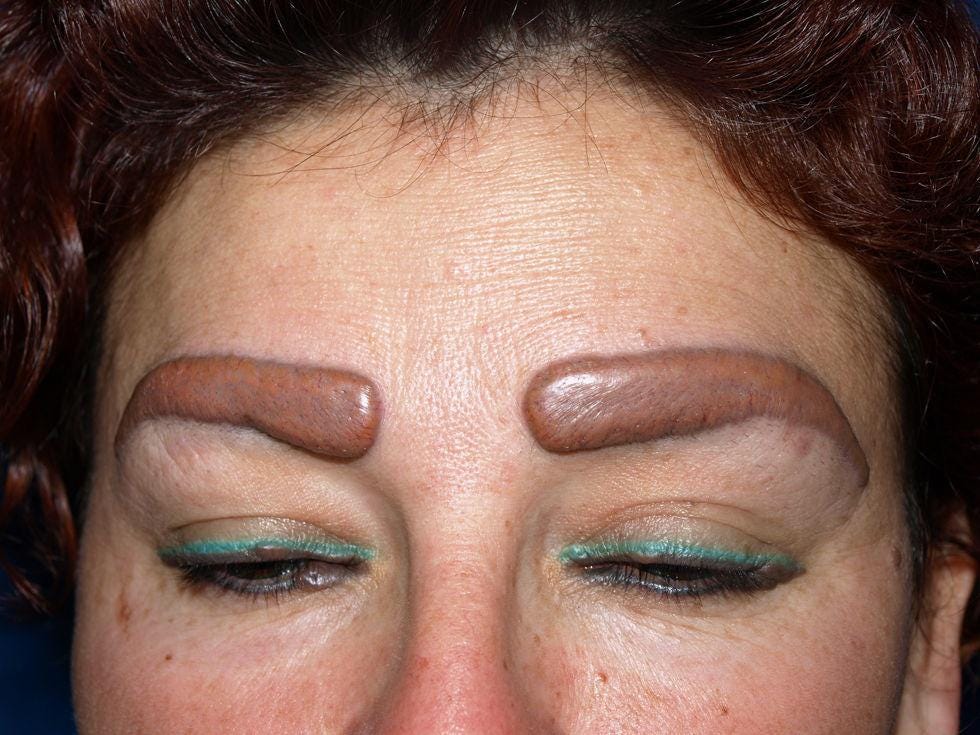
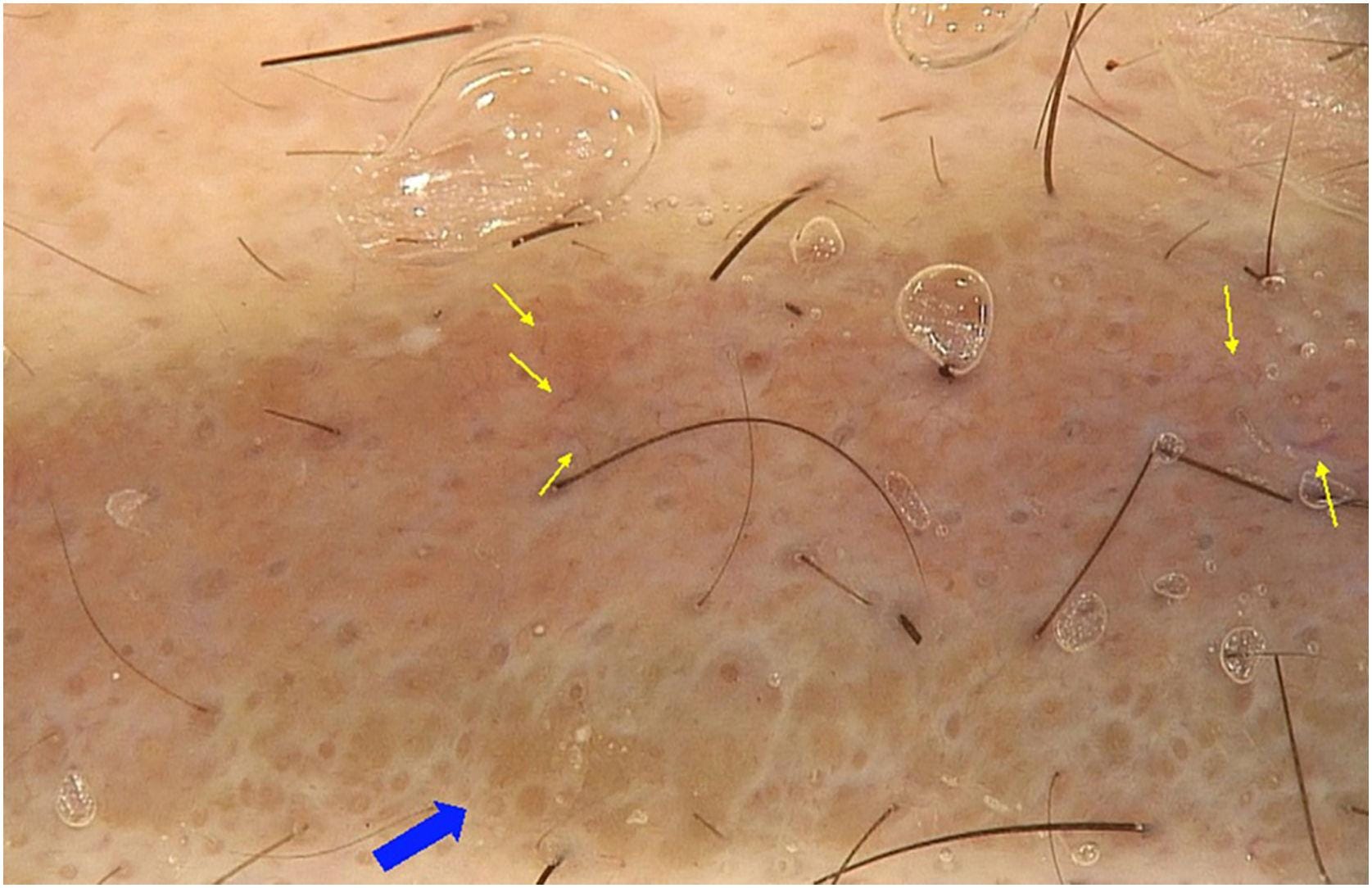
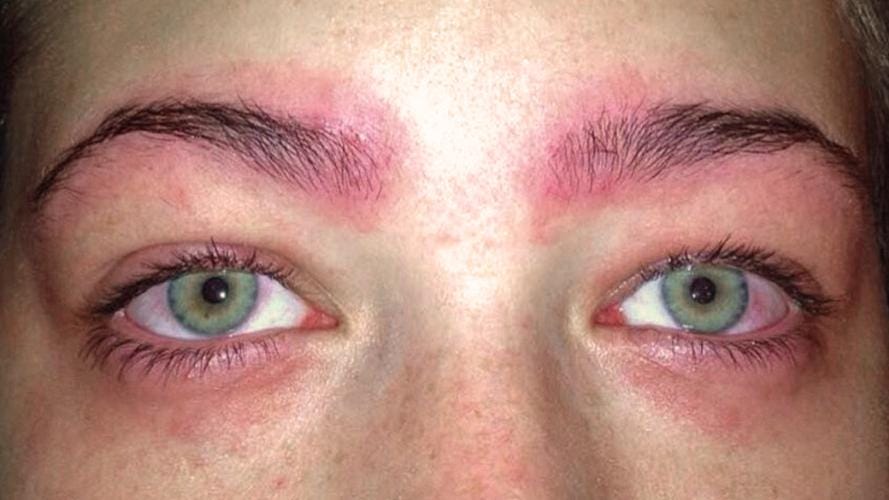
The complication profile mirrors that of tattooing:
Allergic reactions, especially to red/iron oxide pigments
Granulomatous and sarcoidal reactions
Infections, including atypical mycobacteria
Viral inoculation (HSV, HPV)
Keloids in predisposed individuals
Pigment masking of evolving lesions → a dermoscopic blind spot
These are uncommon—but real, and under-consented.
The most important fact: removal is harder than placement
This is the point almost universally omitted in counselling.
Laser removal is not straightforward:
Iron oxide pigments can undergo paradoxical darkening
(reduction of Fe³⁺ → Fe²⁺/Fe⁰ under Q-switched lasers)Instead of fading, pigment may turn black and more conspicuous
Multiple sessions are required, with variable outcomes
In practical terms:
You may not be able to return to baseline even if you want to.
The Indian reality: unregulated practice
In India, microblading is largely performed by non-medical practitioners:
No standardization of pigment composition
Variable sterility practices
No understanding of skin biology or complications
This is not a minor detail—it fundamentally alters risk.
When is microblading reasonable?
Indications must be strict and selective:
Stable, non-progressive eyebrow loss
(e.g., post-traumatic scarring, post-chemotherapy)Carefully selected cases of burnt-out scarring alopecia
Not ideal:
Alopecia areata → unpredictable course, regrowth potential, poor pigment behaviour in active disease
For most people: this is overtreatment
If you already have reasonable brows, microblading offers:
Modest cosmetic gain
In exchange for:
Permanent dermal alteration
Colour instability
Difficult reversibility
This is a poor trade.
Better first-line options
Professional shaping
Temporary tinting
Cosmetic filling (pencils, gels)
Medical brow growth options where appropriate
These are reversible, adjustable, and biologically neutral.
Closing argument
Microblading is not dangerous in the absolute sense.
But it is misrepresented.
It is a tattoo with:
unpredictable long-term behaviour
structural skin consequences
and non-trivial barriers to reversal
Patients are sold convenience.
They are not told the biology.
References (selected)
Kluger N. Cutaneous complications related to tattoos: 31 cases. J Eur Acad Dermatol Venereol.
Serup J et al. Tattoo inks in general usage: chemical composition and regulatory issues.
Høgsberg T et al. Tattoo reactions and pigment chemistry.
Anderson RR, Parrish JA. Selective photothermolysis (basis of laser tattoo removal).
Reports on paradoxical darkening of iron oxide pigments with Q-switched lasers.
MHRA (2022) restrictions on hazardous tattoo pigments.
Microblading is a market-driven escalation of a problem that usually does not require intervention. In patients with acceptable brows, restraint is the more rational—and medically defensible—choice.